Professional Dent Repair vs DIY Fixes: What Vehicle Owners Need to Know
When a dent shows up on your car, it might seem like a minor issue that you can handle yourself. But often, a small dent might hide bigger problems, mess with your car's resale value, or even interfere with its safety features. That's why opting for professional dent repair instead of a DIY fix can be more important than many drivers might think. If you're aiming for a repair that maintains your car's look, performance, and value over time, professional help is usually the better bet.
At Collision Club | Auto Body Shop Philadelphia, we often hear this dilemma: Should I grab a dent-pulling kit or call in an expert? The right choice depends on the type of damage, where the dent is, and how your vehicle is built. Let's break down the differences between professional auto body repair and DIY methods, explore the latest trends, and explain why certified technicians can save you time, money, and hassle in the long run. If your issue is part of a bigger collision, our collision repair services can help restore both safety and looks.
For those who want a simpler cosmetic fix, paintless dent repair is often a great option, especially if the paint is still in good shape. Check out our dent removal services and see how they stack up against at-home methods. For more on vehicle safety and crash repair, check out resources like the National Highway Traffic Safety Administration’s official site and AAA’s vehicle maintenance tips at AAA Newsroom.
Why Dent Repair is More Than a Cosmetic Decision
Dents Can Hide Bigger Problems
A dent isn't always just a dent. The impact might have stretched the metal, cracked the paint, or damaged parts you can't see, like sensors or trim. Even a small dent can let moisture in, which can lead to rust, especially in places with a lot of road salt or rain.
Professional auto body shops look at the full picture, not just what's on the surface. This matters because fixing only the visible part of a dent can leave you with ongoing issues. If the dent is near a bumper, quarter panel, or camera, technicians might suggest related services like bumper repair and paint or even camera calibration after glass replacement for safety system checks.
Modern Cars Need Precision
Today’s cars are made with advanced materials, tight body tolerances, and built-in electronics. So, fixing them isn't just about pushing metal back in place. It’s about keeping the factory alignment, paint quality, and sensor functions intact. If a DIY attempt warps the panel or messes up the finish, fixing it can cost more than the original repair.
That's why professional shops use specialized tools and trained staff. In the collision repair world, precision is key because all parts and systems need to work together. For example, cars with ADAS (advanced driver-assistance systems) might need recalibration even after small repairs. Organizations like I-CAR highlight the need for proper training and repair methods for today’s vehicles.
The Rise of Advanced Professional Dent Repair
Technology Has Changed Auto Body Repair
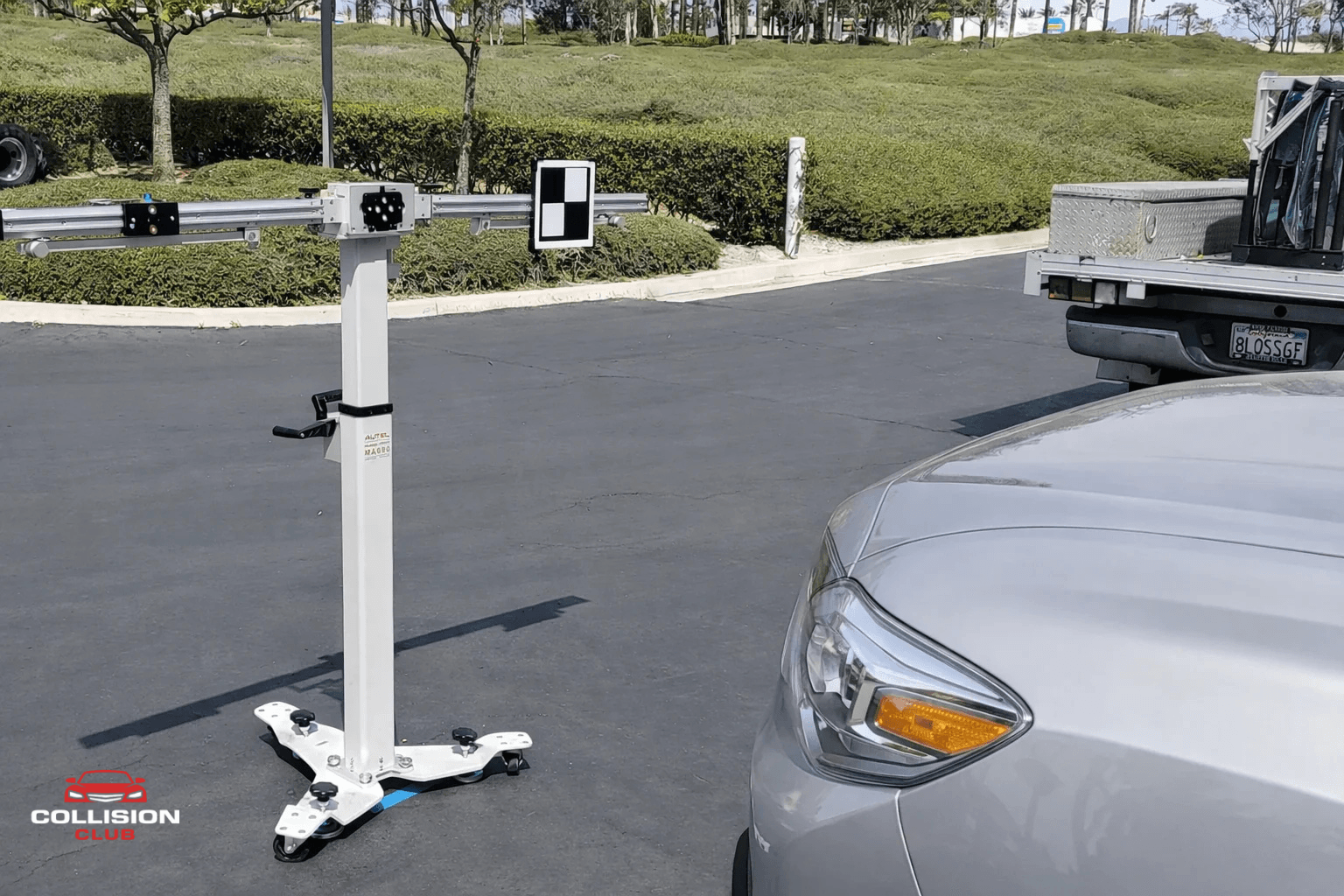
One big trend in auto repair is using high-tech diagnostics and repair techniques. Shops aren't just using the old hammer-and-dolly methods anymore. Now, professionals use advanced tools, digital measuring systems, and specialized repair processes to fix cars more accurately. Modern facilities might also do post-collision ADAS calibration to make sure driver-assistance systems work right after a hit.
The aim isn't just to make the car look good but to bring it back to its pre-accident condition, covering everything from safety to handling and appearance. For more on how repair standards are changing, the U.S. Department of Transportation offers resources on vehicle safety and crash prevention at transportation.gov. This is why professional repair is a technical service, not just a quick fix.
Paintless Dent Repair Takes Skill
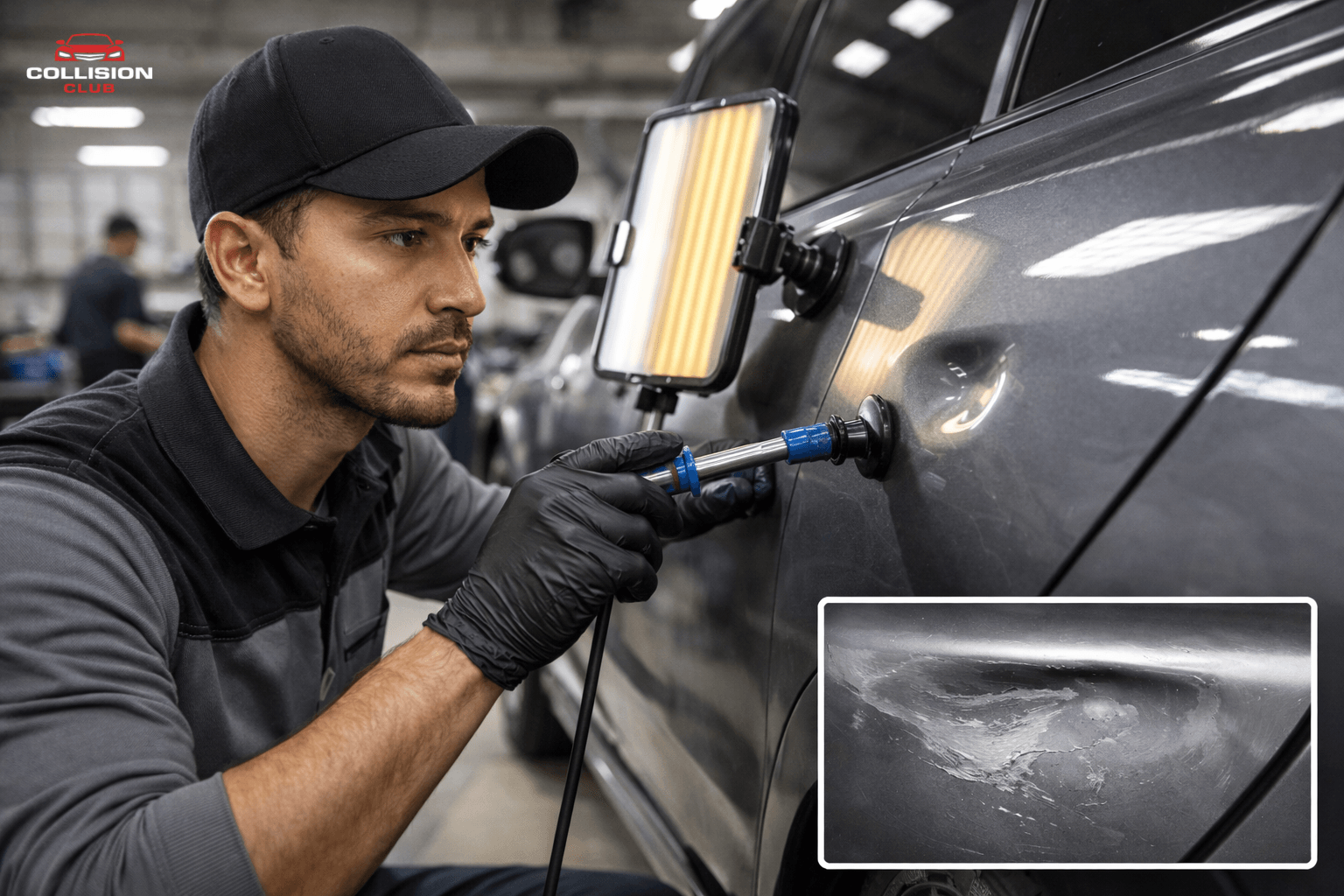
Paintless dent repair, or PDR, is a popular choice for dents where the paint isn’t damaged. It's effective when done by trained techs because it keeps the factory finish and avoids unnecessary repainting. But it takes skill. The technician needs to know about panel flexibility, access points, metal memory, and how to work the dent without causing waves or cracking the paint.
DIY PDR kits might promise the same results for less, but without training, you might end up with high spots, overstretched metal, or a damaged clear coat. Often, this means a higher repair bill than if you went to a pro first. For a clean finish and lasting value, trained dent removal is usually the better investment.
Why DIY Dent Repair Often Costs More in the End
Homemade Fixes Can Worsen the Damage
DIY dent repair might seem cheaper because kits are affordable and easy to find. But the cost isn't just about the tools. It's also about the risk of making things worse. A suction cup might not pull the dent evenly, a heat-and-cold method might warp the paint, and a cheap puller might mess up the clear coat or leave glue behind.
After a failed DIY attempt, you often need professional help anyway. That second repair can be harder because the panel was already altered. In some cases, the damage is less predictable, and the technician needs more time to fix the DIY job before starting the actual repair. This is why many drivers who start with DIY end up paying more.
Resale Value Takes a Hit After a Bad Repair
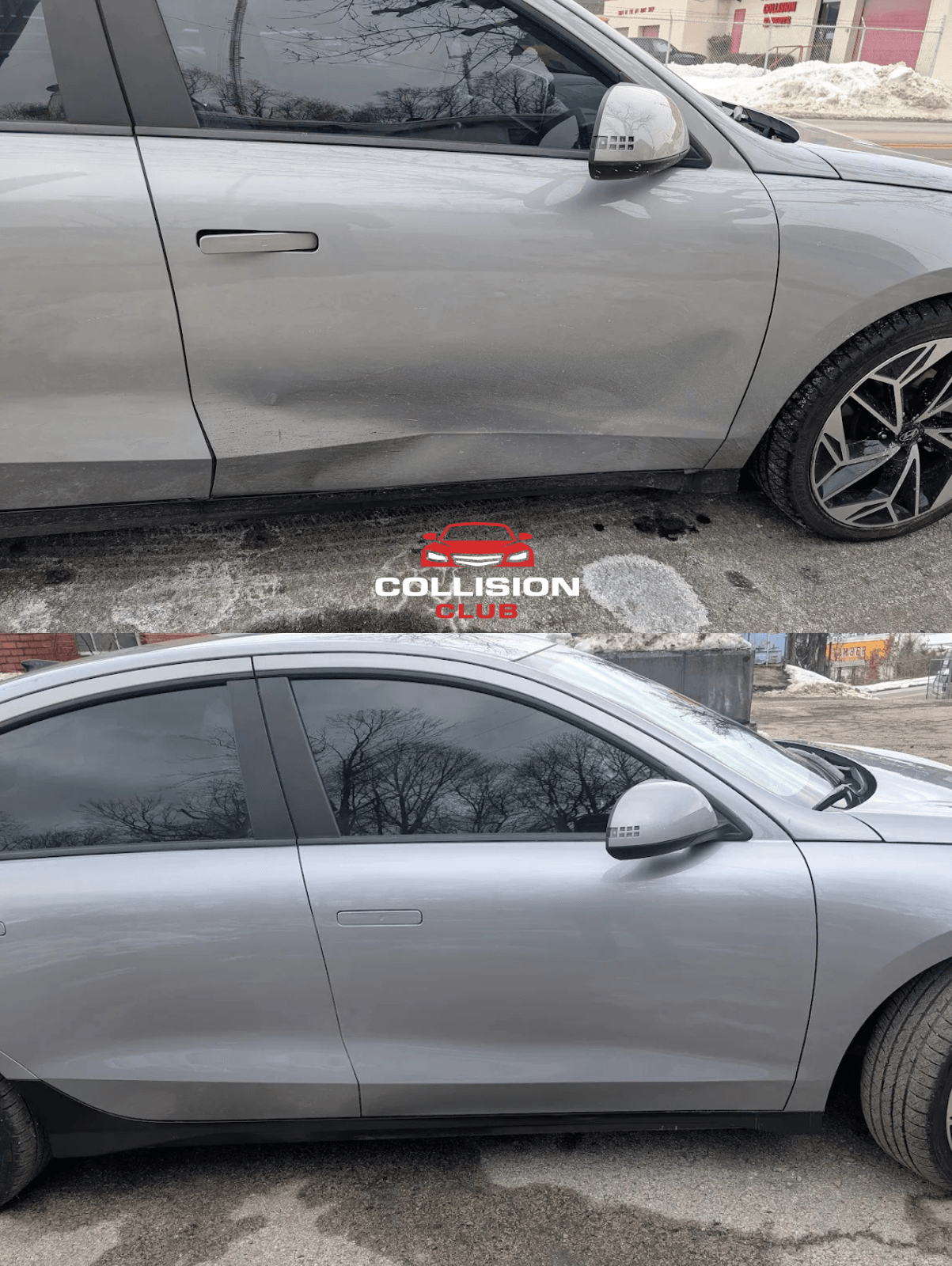
Resale value is a big reason to go with professional repair. Buyers, appraisers, and dealers notice uneven paint, filler marks, visible waves, and panel gaps. Even a minor dent, if repaired poorly, can show the car wasn't well-maintained. That perception can lower offers and reduce trade-in value.
For leased cars, this is crucial. A bad DIY repair might mean penalties at the end of the lease if the car doesn't meet inspection standards. If you’re getting ready to return a vehicle, our lease return prep service can help you avoid surprises and keep final costs down. For more on how small damages affect value, see our guide on how minor car damage affects safety, performance, and value.
What Professional Dent Repair Includes
Thorough Inspection and Damage Assessment
The first perk of professional repair is a detailed inspection. Skilled technicians look at the dent from all angles, check nearby panels, and see if the damage is just cosmetic or part of a bigger collision. They also check for paint cracks, stress marks, and hidden alignment issues. This diagnostic step is key because it guides the repair plan.
In a shop, the assessment might reveal if more services are needed. If the impact affected the bumper or panel fitment, bumper repair and paint could be necessary. If a collision caused the dent, the technician might suggest a full restoration through collision repair instead of just a quick fix.
Precision Tools and Certified Technicians
Professional shops have specialized equipment that most car owners don’t have. These tools let technicians apply controlled force, measure panel movement, and restore the right shape without harming the finish. Also important, technicians are trained to use those tools correctly. Certification programs and ongoing education ensure they understand manufacturer procedures and modern repair standards.
This training matters because every vehicle is different. Aluminum panels, steel panels, and newer high-strength materials each react differently to pressure and heat. A certified tech knows how to adjust the repair method based on the material, dent location, and vehicle finish. For deeper work, pros might also use static ADAS calibration or dynamic ADAS calibration when repairs affect sensors and driver-assistance systems.
Paint Matching and Finishing Expertise
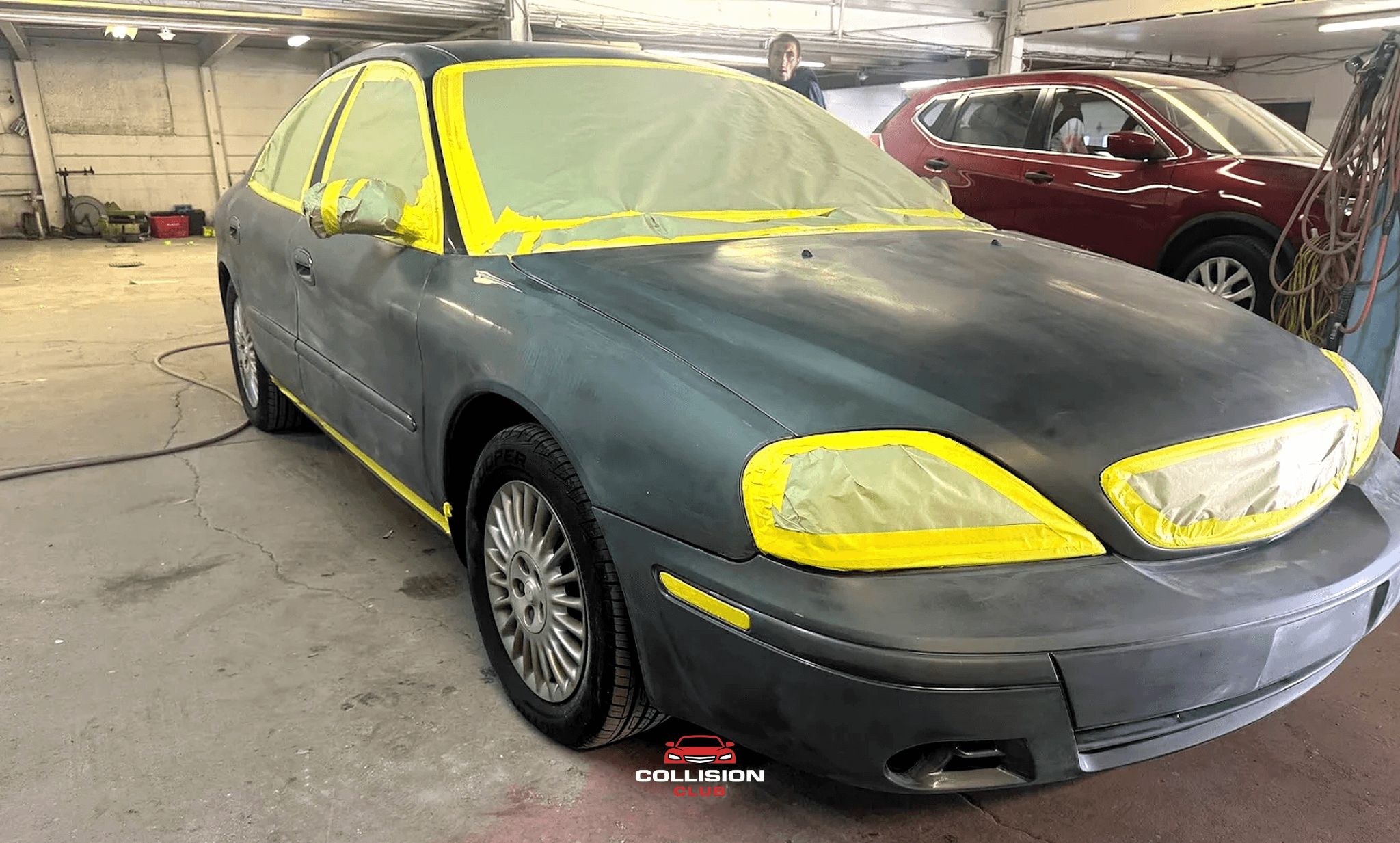
When a dent damages the paint, the repair gets trickier. Color matching, blending, and finishing need experience and care. Even a slightly off shade can stand out in sunlight or showroom lighting. Professional shops use quality coatings and refined methods to create a seamless result that blends with the rest of the car.
For many owners, this is where DIY jobs fail quickly. A filler patch or touch-up paint might look okay from a distance, but close up, mismatched texture, gloss, or alignment are obvious. If the panel needs refinishing, the benefit of professional work becomes clear. If rust is present along with the dent, a specialized solution like rust repair and refinishing can protect your vehicle’s long-term integrity.
Safety, Sensors, and Why Hidden Damage Matters
Modern Safety Systems Depend on Proper Repair
Many new cars have cameras, radar, ultrasonic sensors, and other driver-assistance features. These systems can be affected by even minor body damage if the panel alignment changes or nearby parts are moved. A dent near a sensor might not look serious, but a small distortion can affect performance. That’s why today’s repair process often includes looking at safety systems, not just the surface.
The National Highway Traffic Safety Administration explains how important properly functioning safety systems are in reducing crash risks, and proper repair is part of that. When a vehicle needs calibration after a repair, an experienced shop can handle that as part of the service. That’s why many owners pick professional repair over DIY shortcuts when their car has ADAS features or built-in electronics.
Incorrect Repairs Can Lead to Alignment and Handling Problems
Even when the damage seems minor, the impact that caused the dent might also have affected alignment or structural geometry. If the repair isn't complete, the car might not track right, doors might not close properly, or panels might look uneven. These issues can make the car feel less stable and safe over time.
This is especially true after any hit that affects multiple parts of the vehicle. A shop that offers post-alignment calibration can ensure systems are set correctly after repairs. If you want to learn more about structural effects after a crash, our article on why frame alignment matters after a crash is a helpful next step.
A Real-World Example: Why Professional Repair Wins
Philadelphia Drivers Often Need More Than a Quick Fix
Think about a driver in Philadelphia backing into a post, creating a dent in the rear quarter panel. The damage might seem small enough for a DIY fix. But inspecting the panel reveals slight paint cracking and a subtle misalignment near the bumper. In this case, a DIY fix is unlikely to restore the car properly.
A professional shop can inspect the panel, decide if paintless dent repair is suitable, and determine if more refinishing is needed. If other parts are affected, technicians can address the whole repair. That might involve bumper repair and paint, calibration work, or even a full restoration plan. For local drivers, that level of precision often protects both appearance and value in the long run.
Collision Club’s Approach Reflects Modern Industry Standards
At Collision Club, our repair process focuses on quality, safety, and customer confidence. This means honest estimates, careful assessment, and repair methods tailored to the actual damage. We understand that a dent is rarely just a dent once you take a closer look. Some repairs can be done through efficient paintless dent repair, while others need a more complete restoration plan.
This commitment to quality is in line with what industry leaders recommend. It also matches the work of certified shops that use modern diagnostics, repair planning, and post-repair checks to ensure the job is done right. If you’re comparing options, reviewing a shop’s certification and service process is a good way to see if they’re equipped for the repair your vehicle needs.
How to Decide Between DIY and Professional Dent Repair
Use the Damage Type as Your First Filter
If the dent is tiny, the paint is intact, and the panel is easy to access, a pro might still suggest PDR instead of full refinishing. But if the paint is cracked, the metal is sharply creased, or the dent sits on a body line, DIY is usually not worth the risk. These issues often need expert tools and experience to fix without causing more damage.
It also helps to think about where the dent is. Dents near sensors, edges, seams, and structural zones are trickier than dents in open flat areas. If you’re unsure, a shop inspection is the safest first step because it prevents guesswork and can save money over time.
Consider the Long-Term Cost, Not Just the Upfront Price
It's easy to focus on the cost of a dent kit and overlook the expense of a failed repair. Professional repair might cost more upfront, but it often avoids repeated attempts, paint correction, and resale losses. It also gives you the benefit of documentation, warranty-backed work, and proper evaluation of related damage.
For insurance-related repairs, this can also make the claims process easier. Our insurance claims assistance service helps drivers manage repair paperwork and communication more smoothly. When you combine that support with expert repair, the whole experience is less stressful and more predictable.
Common Questions About Dent Repair
Is DIY Dent Repair Ever a Good Idea?
DIY methods might work for very small, shallow dents on older vehicles where appearance is less critical and the paint is undamaged. Even then, the results aren't guaranteed. Once the panel is stretched, the adhesive fails, or the paint is messed up, the repair can get more complicated.
For most daily drivers, especially newer cars, professional repair is the safer and more reliable option. It’s crucial to know if the vehicle has a lease agreement, safety sensors, or plans for resale soon. If you want a lasting finish, professional care is usually the better choice.
Will Professional Dent Repair Always Be Expensive?
Not always. Small dents can often be fixed efficiently, especially with paintless dent repair. The cost depends on the size, location, depth, and whether refinishing is needed. In many cases, the final bill is more reasonable than drivers expect, especially compared to correcting a failed DIY attempt.
Some drivers are surprised to learn that early professional intervention can actually prevent more expensive bodywork later. Addressing the issue promptly might avoid rust, paint failure, and additional panel damage. That’s why many shops encourage car owners not to wait too long before getting an estimate.
How Do I Know Whether a Shop is Qualified?
Look for training, certifications, modern equipment, and clear communication. A qualified shop should explain its repair process, tell you if PDR is appropriate, and be transparent about any extra services that might be needed. Reviews, certifications, and warranty info are also good indicators of quality.
For example, shops that invest in continued education and advanced tools are better suited to handle modern repair needs. If calibration, refinishing, or structural evaluation is needed, a well-equipped shop can handle the whole process instead of sending you somewhere else.
The Smart Choice for Protecting Your Vehicle
Professional Repair Protects Safety, Value, and Peace of Mind
When you consider the risks of DIY repairs, choosing professional dent repair becomes clear. You get a more accurate finish, a safer repair process, and a better chance of keeping your vehicle’s resale value. You also reduce the chances of hidden damage becoming a bigger problem down the road.
That’s why professional service is more than just convenient. It’s a way to protect your investment. Whether the solution is dent removal, bumper restoration, or a full collision repair plan, skilled technicians have the training and tools to get the job done right.
Work with a Shop That Gets the Full Repair Picture
If your vehicle needs more than a quick cosmetic touch-up, choose a team that can assess the damage from every angle. At Collision Club | Auto Body Shop Philadelphia, we help drivers make informed decisions about their repairs and guide them toward the right solution for their vehicle. From professional dent removal to complete collision repair, our goal is to restore confidence along with your car.
If you’re ready to stop guessing and start repairing the right way, contact our team for an estimate and expert guidance. Professional dent repair isn’t just about making your car look better today; it’s about protecting how it drives, how it holds value, and how safe it remains on the road tomorrow.
Call to action: Need help deciding whether your dent can be repaired professionally? Reach out to Collision Club for an honest assessment and high-quality repair recommendations tailored to your vehicle.